
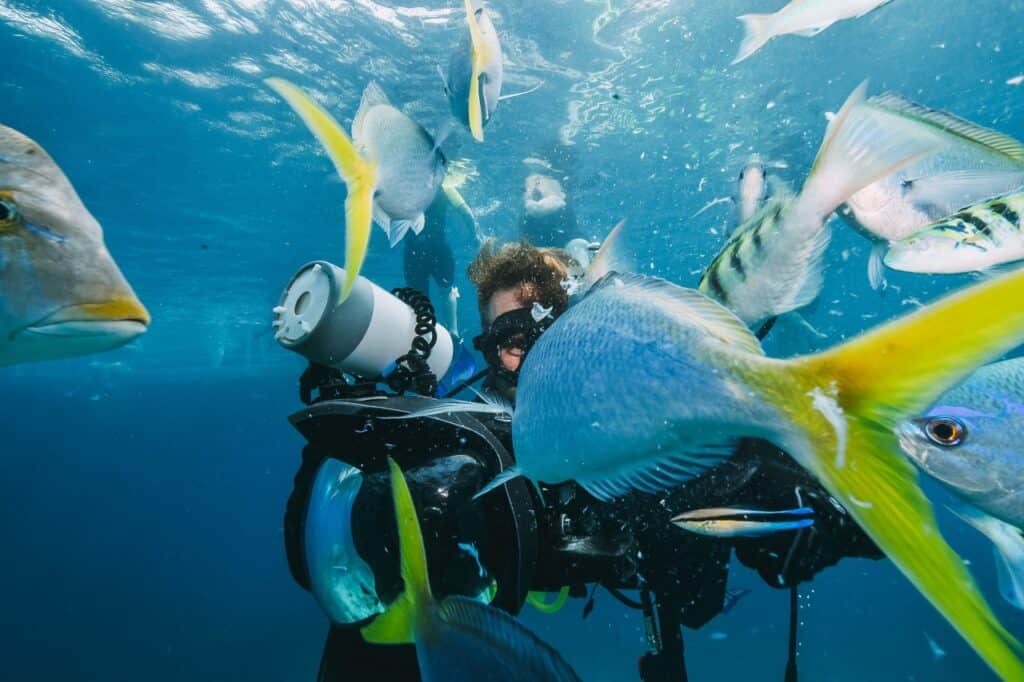
Diving in Suriname: discover the hidden underwater treasures of South America
Diving in Suriname: discover the hidden underwater treasures of South America
Diving in Suriname offers you a unique opportunity to explore one of the most undiscovered underwater worlds in South America. While many divers flock to the well-known Caribbean islands, Suriname remains a hidden gem for underwater enthusiasts. The country boasts a fascinating combination of freshwater dive sites in crystal clear rivers and saltwater waters along the Atlantic Ocean coast.
What makes diving in Suriname so special? You literally dive into a different ecosystem than you are used to. The Suriname River and Commewijne River offer spectacular freshwater dives where you will encounter unique fish species such as the Moenkhausia surinamensis and Leporinus granti. There is just as much to see above the surface: wild Guyana dolphins live in the Suriname River and around Commewijne, and they surface regularly during a boat trip. Swimming with them is not possible — these are wild animals in open water — but they do sometimes come close to the boat of their own accord.
The marine biodiversity is breathtaking – from the tranquil waters of Cola Creek to the more challenging dives in the Marowijne River. For divers who want to use their PADI Club™ certification in an unconventional way, Suriname offers experiences that you won’t find anywhere else. Discover our nature tours in Suriname and make your diving experience a complete adventure.
The Best Dive Sites in Suriname
Freshwater diving in rivers and lakes
The Brokopondo lake is at the top of the list of must-visit dive spots. This artificial lake, created by the construction of a dam, has developed into a unique ecosystem. You’ll find submerged forests where you navigate between the logs – an experience that even seasoned divers describe as magical.
In the Brownsberg Nature Park , you can dive into crystal-clear pools under the Blanche Marie Waterfalls. The water is so clear that sometimes you forget you’re underwater. Here you can spot the local fish species Poptella brevispina, a small but colorful fish that is endemic to this area.
The Palumeu River offers more adventurous dives for experienced divers. The current can be challenging, but the rewards are great. You can encounter the rare Kumaru njanjan here, a species of fish that local fishermen have respected for generations.
Shore Dives and Marine Discoveries
White Beach is the place for your first introduction to the Surinamese coast. The waters of the Atlantic Ocean here are relatively calm, perfect for beginners. Several operators run their introductory dives here.
For a special experience, drive to Galibi Turtle Beach. Here you can not only dive, but also snorkel among the sea turtles during the laying season. The combination of diving and wildlife watching makes this an unforgettable experience.
Gran Rio offers the most challenging dives for experts. The river flows into the ocean, giving you a unique blend of fresh and salt water. The Peti sula and Awadan sula underwater rock formations create spectacular underwater landscapes.
Practical information for divers
Accommodation and logistics
For your diving adventure, it is best to stay in Paramaribo. When booking, ask whether the hotel has space to dry wet equipment, and how to reach the departure points from there.
Do you want to spend the night closer to nature? Along the Suriname River near Paramaribo you will find hotels overlooking the water, a short distance from the departure points for a dive trip.
Check out our complete accommodation guide to Suriname for more options that perfectly fit your diving plans.
Sustainable diving and environmental awareness
Suriname is strongly committed to sustainable tourism. Many dive operators use recycled materials for their equipment and follow strict guidelines to protect the underwater world. The Central Suriname Nature Reserve, a UNESCO World Heritage Site, has special rules for divers to preserve the fragile ecosystems.
Always use an interactive map to plan your dive routes and respect local guidelines. Many dive sites in the tropical forest area are only accessible with a local guide who knows the water conditions.
A visit to Plantation Frederiksdorp combines perfectly with scuba diving – here you will learn about the history of Dutch Guiana and better understand why nature conservation is so important. Fort Zeelandia also provides interesting historical context for your diving adventure.
Best time to visit and schedule
The ideal period for diving in Suriname is from February to August. For example, on May 29, 2024 , the water conditions were perfect – clear visibility up to 15 meters deep in the rivers and calm sea near the coast.
Plan your trip through VTB Around The World for the best deals on accommodation and tours. Discover our complete dive packages for Suriname that arrange everything from transport to professional guidance.
For the latest weather and water conditions, you can check out the local guides in Zorg & Hoop – they know every rock and current in the area and will ensure that your diving experience is both safe and spectacular.
The health benefits of diving in Suriname’s natural environment
Physical Health Benefits of Underwater Activities
Diving in the Suriname River offers significant physical benefits beyond ordinary sports activities. The resistance of the water ensures a full-body workout in which all muscle groups are activated. Your heart rate naturally drops underwater, which reduces stress and strengthens your cardiovascular system.
The calm, warm river water stimulates your circulation in a way that is similar to hydrotherapy. Divers regularly report that their joints feel more supple after a session in this natural environment. Bigi Pan is often mentioned in this context, but that is a misunderstanding: this brackish wetland is known for flamingos, ibises, caimans and excellent birdwatching — you travel through it by boat, you do not go into the water.
The different dive sites offer varying levels of intensity:
- Cola Creek – Calm waters, ideal for recovery and relaxation
- Marowijne River – Moderate Flow for Cardiovascular Training
- Palumeu River – Challenging for Advanced Conditioning Training
- Brokopondo Lake – Perfect for long, meditative dives
Mental well-being through nature connection
Spotting wild Guyana dolphins from the boat is the highlight of a day on the water for many visitors. They live in the Suriname River and around Commewijne, and sometimes swim close to the boat of their own accord. Getting into the water with them does not happen: these are wild dolphins in open water, not an attraction. That is precisely what makes such an encounter special.
The marine biodiversity in Suriname’s waters has a calming effect on the nervous system. For many divers, quietly watching fish species such as Moenkhausia surinamensis and Leporinus granti in their natural habitat is as calming as a long walk through the forest.
You can enhance that effect by staying overnight on the water, where the natural surroundings continue into your accommodation. The sound of flowing water and birdsong does the rest.
Educational value and cognitive stimulation
Learning to recognize local fish species such as Poptella brevispina and the rare Kumaru njanjan stimulates your cognitive functions. This new knowledge activates different brain areas and keeps you mentally sharp. Experienced divers often use a waterproof chart to keep track of their observations, which enhances the learning process.
The combination of diving and cultural history at locations like Fort Zeelandia offers a holistic learning experience. You will not only learn about Dutch Guiana history, but also understand how human activities have affected underwater ecosystems.
Sustainability and environmental awareness
Modern dive operators in Suriname use recycled materials and sustainable practices that contribute to your sense of community involvement. This positive feeling of contributing to nature conservation has proven benefits for mental health and self-esteem.
The Central Suriname Nature Reserve shows how responsible tourism can protect ecosystems. By participating in this sustainable form of recreation, you will experience the feeling that you are contributing to nature conservation rather than exploiting it.
More and more accommodations in Paramaribo work along the same principles, so that your stay matches the way you want to travel.
Social connections and community spirit
Diving in Galibi Turtle Beach connects you with local communities that have been protecting these waters for generations. This cultural exchange enriches your perspective and increases your empathy – both essential for mental well-being.
The PADI Club™ community in Suriname is small but close-knit, so you can quickly build meaningful connections. Sharing experiences about encounters with the Peti sula and Awadan sula formations creates lasting friendships that strengthen your social network.
Group dives to Gran Rio or the Blanche Marie Waterfalls promote teamwork and mutual support. These social aspects are crucial for emotional well-being, especially for travelers escaping daily stress.
Carefree arrival
Airport Transfer in Suriname - Reliable and affordable
Start and end your holiday in peace. Blue Bird Tours & Travel takes care of your personal airport transfer in Suriname directly from the airport (Zanderij) to your hotel, resort or apartment in Paramaribo. You can also count on our trusted taxi in Suriname for all your rides to local hotspots or the pick-up points of your tours, so that you always arrive at your destination comfortably and with air conditioning.
Frequently asked questions (FAQs)
What is the best time of year to dive in Suriname?
The ideal period for diving in Suriname is from February to August, when weather conditions are most stable. During these months, the water in the Atlantic Ocean has the best visibility and the currents in rivers such as the Commewijne river are calmest. The tropical forest climate provides pleasant water temperatures between 26-28°C, perfect for longer dives without thick wetsuits.
Which diving certification do I need for Suriname?
For most dive sites in Suriname, a PADI Club™ Open Water certification is sufficient. Locations such as White Beach and Cola Creek are suitable for beginners, while more challenging spots such as Gran Rio require Advanced Open Water certification. Many local dive operators also accept SSI and NAUI certifications. Freshwater dives in Lake Brokopondo require special briefings due to the unique conditions.
Can I rent diving equipment in Suriname?
Yes, professional dive centers in Paramaribo and at popular locations such as Turtle Beach Galibi rent complete equipment. Most operators use modern equipment, and some have even integrated recycled materials into their offerings. It is recommended that you bring your own mask and fins for optimal comfort.
What unique fish species can I see while diving in Suriname?
Suriname’s waters are home to fascinating endemic species such as Moenkhausia surinamensis, Leporinus granti and Poptella brevispina. In the inland creeks and rivers you can spot the rare Kumaru njanjan, while coastal waters contain various tropical fish. Above the surface, the wild Guyana dolphins in the Suriname River and near Commewijne are a highlight — watched from the boat. When booking, ask for a guide who knows the local species; they will point out what you would otherwise miss.
Is diving in Suriname suitable for beginners?
Absolutely! The calm parts of the Suriname River and quiet creeks such as Cola Creek are suitable for beginner divers. Marine biodiversity is accessible without extreme depths or strong currents. Always dive with a certified instructor, and ask when booking which site currently offers the best visibility.
What accommodations are best for divers in Suriname?
Paramaribo is the logical base: from there you can reach most dive sites within half a day. Preferably choose a hotel on the river or in the centre, and ask in advance whether there is space to dry and safely store wet equipment. Many accommodations can arrange transport to the departure points for you.
Can I combine diving with other activities in Suriname?
Diving combines perfectly with other adventures in Suriname. Visit Fort Zeelandia for cultural history or explore Plantation Frederiksdorp for colonial legacy. The Central Suriname Nature Reserve, a UNESCO World Heritage site, offers jungle trekking and wildlife watching. VTB Around The World organizes multi-activity packages that combine diving with visits to the Blanche Marie Waterfalls and other natural attractions for a complete Suriname experience.
How do I reach the best dive sites in Suriname?
Most dive sites are accessible via Paramaribo as a base. Brokopondo Lake is about a 2-hour drive from the capital, while Galibi Turtle Beach requires a boat trip via the Marowijne River. For remote spots like Palumeu River , local operators organize specific transportation. Agree the route with your operator in advance; they know which departure point works best at that moment.
Your journey, just the way you want it
Whether you dream of a private snorkeling tour, a surprise trip for a special occasion or just want to be completely unburdened, we will arrange it!
Together, we’ll put together a unique experience that perfectly suits your needs. Personalized, flexible and organized to perfection.
Blog Categories
Related blogs
Sorry, we couldn't find any posts. Please try a different search.

