
Toekenari Suriname: fishing in pristine rainforest
Toekenari Suriname: fishing in pristine rainforest
Do you want to fish for legendary predatory fish in the middle of tropical rainforest and roaring rivers?
Where the passion for sport fishing and adventure come together
An awarder Suriname will take you to remote waters where Cichla ocellaris, better known as Peacock Bass, is the undisputed king of the river. You will sail deep up the Coppename River or Corantijn River, far beyond civilization, where only the sound of nature accompanies you. Along the way, you might spot Wonotobo waterfalls or stumble upon a weathered eco lodge where adventurers spend the night in between expeditions.
In addition to Peacock Bass, you regularly bring in species such as lau lau, Serresalmo schomburgkii and Hoplias macrophtalmus. For those who like to stay closer to the city, the Brokopondo reservoir at the Afobakka dam offers excellent fishing opportunities. You can use equipment from renowned providers such as Ahoy Hengelsport Rotterdam or book through Tight Lines Fishing Trips. Don’t forget to keep your catch cool in an ice box and enjoy a cold Parbo beer in the evening while evaluating the day.
Blue Bird Tours & Travel connects you with local guides who know the tropical rainforest and rivers inside out. This way you experience a Suriname award as it is meant to be: authentic, adventurous and unforgettable.
Fish species and inland fishing locations
Common predatory fish and their habitat
During your toe-at-all, you will encounter numerous fascinating species. Serresalmo rhombodialis and Myloplus asterias often swim in schools and eagerly bite on lures. The Methynis setiger is smaller but combative, while in shallow water you can watch out for the Portamotrygon hystrix, a stingray that likes to burrow into sandbanks. Experienced guides will teach you how to recognize these species by their Taxonomic classification and behavior patterns, so you know which bait and technique work best.
Top locations for sport fishing
In addition to the well-known large rivers, there are smaller creeks that provide excellent catches. South Drain is known for its dense population of Peacock Bass, while Lebi Doti and van Blommensteyn are less well-known but certainly no less prolific. These remote places can often only be reached by canoe with a local skipper who knows the current and shallow passages through and through. The adventurous nature of these trips makes them particularly popular with anglers who want to get off the beaten track.
The tropical climate and fishing behaviour
The tropical climate in Suriname influences when fish are active. During the rainy season, the water level rises and predatory fish migrate to flood plains where they forage. In the dry season, they concentrate around deeper pools and rapids. Local guides know exactly when certain species deposit pelagic eggs and their behavior changes. Blue Bird Tours & Travel works with experienced captains who understand these seasonal patterns and take you to the right places at the right time.
Conservation and responsible fishing
Several fish species in Suriname are listed on the IUCN Red List, which makes awareness about sustainable fishing extra important. Catch-and-release practices are becoming more prevalent, especially for larger specimens that are crucial for reproduction. Your guide will instruct you on how to handle fish gently and let them go back quickly. This responsible approach ensures that future generations can also enjoy the richness that Surinamese waters offer.
Camping along the river
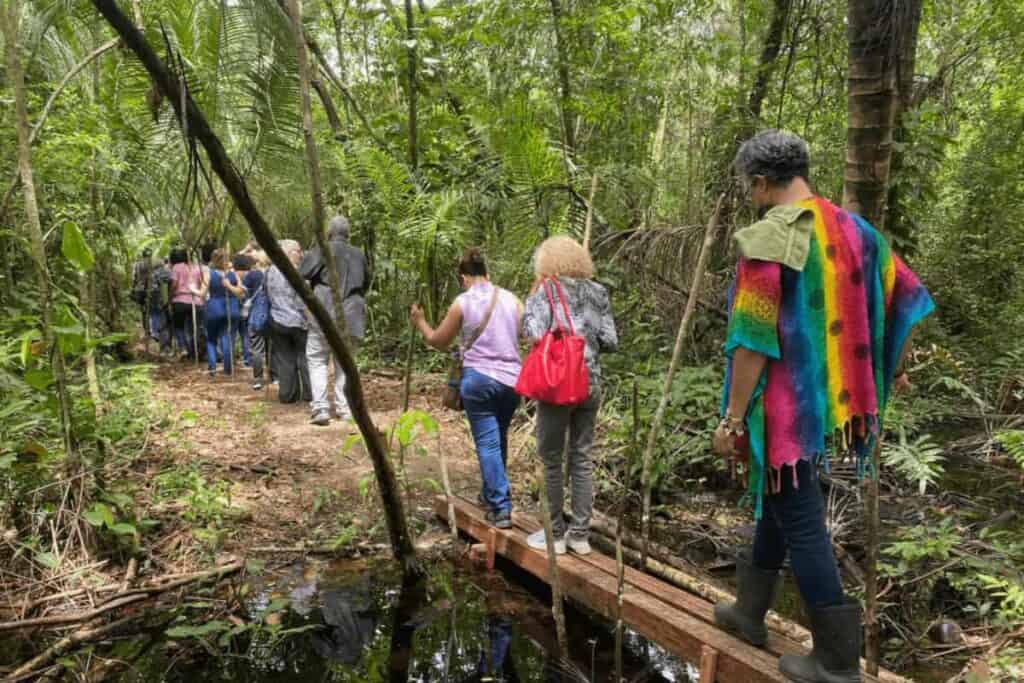
Multi-day awards mean spending the night in primitive camps where comfort is minimal but the experience is maximum. You’ll sleep in a hammock under a makeshift roof, and early in the morning, you’ll take a shower in the water of the river before the sun gets too hot. In the evening, the group gathers around a campfire, where stories are exchanged and fresh fish is grilled. This simple yet intense experience brings you closer to nature than any luxury resort could. Blue Bird will help you choose an allocation that suits your adventure level, so you can enjoy yourself to the fullest without discomfort.
Music and relaxation after a fishing day
When you’re back in Paramaribo, you can end the day in local eateries where South South West sounds from the speakers and you chat about the biggest catch of the week. This mix of intense adventure and Surinamese conviviality makes an award unforgettable. Through Blue Bird you not only book the fishing tour, but you also get tips for accommodations and restaurants where fishermen like to come together to exchange experiences.
Frequently asked questions (FAQs)
What Species of Fish Can I Catch Besides Peacock Bass?
In addition to the well-known Peacock Bass, you regularly catch Serresalmo rhombodialis, an aggressive piranha species that fights excellently on the leash. Myloplus asterias and Methynis setiger are also common catches in the rivers of Suriname. Be careful with Portamotrygon hystrix, a thornback ray that burrows into shallow sandbars. Local guides from Blue Bird will teach you how to recognize these species by their Taxonomic classification and behavior, so that you apply the right technique for each fish.
What are the best lesser-known fishing locations?
For adventurous anglers who want to avoid crowds, South Drain, Lebi Doti and van Blommensteyn are excellent alternatives to the big rivers. These remote creeks can only be reached by dugout canoe with experienced local skippers who know the shallow passages. The tropical climate strongly influences the water level, so timing is crucial. Blue Bird works with guides who know when predator fish are active and take you to productive places that tourists rarely visit, for an authentic toe-at-allari experience.
How does the season affect my catches?
The tropical climate in Suriname creates clear seasonal patterns that strongly influence fishing behavior. During the rainy season, the water level rises and predatory fish migrate to flood plains. In the dry season, they concentrate at deeper pools and rapids where pelagic eggs are deposited. Experienced guides understand these cycles and know exactly when species such as Serresalmo rhombodialis and Myloplus asterias are most active. Blue Bird plants your toespari at the optimal time for maximum catches.
Can I bathe in the river during the allocation?
Yes, a refreshing shower in the water is part of the authentic toekenari experience. Early in the morning, before the sun gets too hot, fishermen bathe in the river near the camp. Just be aware of currents and avoid locations where Portamotrygon hystrix can hide in the sand. Your guide will point out safe places and provide instructions. This simple but intense experience brings you closer to nature. Blue Bird chooses camps with safe bathing places where you can refresh after a long day of fishing.
What precautions apply to endangered species?
Several Surinamese fish species are on the IUCN Red List, making responsible fishing essential. Catch-and-release practices are becoming increasingly important, especially for larger specimens that are crucial for reproduction. Your guide will instruct you in the proper handling of fish such as Serresalmo schomburgkii and Hoplias macrophtalmus, ensuring that they return to the water unharmed. Blue Bird Tours & Travel actively supports this sustainable approach, because preserving the ecosystem guarantees that future generations can also enjoy the richness of Surinamese waters.
Where do I spend the night during a multi-day fishing trip?
With multi-day awardaries, you sleep in primitive camps along the river, often in hammocks under a makeshift roof. In the morning you take a refreshing shower in the water and in the evening you gather around the campfire where fresh fish is grilled. This simple accommodation suits the adventurous nature of remote locations such as Lebi Doti and van Blommensteyn. Blue Bird will help you choose an allocation that suits your comfort level, so that you can fully enjoy nature without unnecessary discomfort during your stay in the rainforest.
How do I recognize different fish species on the road?
Local guides will teach you to recognize species by their Taxonomic classification and specific characteristics. For example, Myloplus asterias has a characteristic round shape and star pattern, while Methynis is more petite , smaller, and more agile. Serresalmo rhombodialis stands out for its aggressive behavior and sharp teeth. Your guide shares knowledge about habitat preferences and behavior patterns, so you know which bait and technique are effective. This educational component makes your Blue Bird enthusiast more than just fishing—it will be an educational nature experience in the Surinamese interior.
Are there special fishing locations at reservoirs?
The Brokopondo reservoir at the Afobakka dam offers excellent opportunities for those who want to stay closer to inhabited areas. In addition to the well-known Peacock Bass, you will also find Serresalmo rhombodialis and Methynis setiger in good numbers. The lake has different depths and structures where predatory fish hunt. Blue Bird arranges trips to these more accessible locations, including equipment from suppliers such as Ahoy Hengelsport Rotterdam, ideal for anglers who want to combine a shorter toe-fi with other Suriname experiences during their trip.
Your journey, just the way you want it
Whether you dream of a private snorkeling tour, a surprise trip for a special occasion or just want to be completely unburdened, we will arrange it!
Together, we’ll put together a unique experience that perfectly suits your needs. Personalized, flexible and organized to perfection.