Dangerous animals in Suriname
Dangerous animals in Suriname
Are you planning to visit beautiful Suriname, but wondering what dangerous animals you might encounter there?
What you need to know about Suriname’s wildlife
Suriname is a country of pristine rainforests, roaring rivers, and impressive biodiversity. During your adventure through the Ayo plantation area, along the Gran Rio or inland, you will undoubtedly come into contact with the fascinating fauna. While most animals are shy and avoid conflict, it’s wise to be aware of some species that can be potentially dangerous.
The Micrurus surinamensis, also known as the Surinamese coral snake, is one of the poisonous Surinamese snakes that you can encounter especially in wooded areas. In addition, the impressive anaconda snake lives in the aquatic habitat of swamps and rivers. Don’t forget the poisonous jungle scorpion, which likes to hide under tree trunks and stones. Fortunately, there is always a medical post near popular tourist areas, and local guides know exactly how to navigate nature safely.
Blue Bird Tours & Travel works together with experienced local guides who know the nature of Suriname through and through. They will teach you how to recognize, respect, and safely avoid these animals, so that your journey through this breathtaking country remains unforgettable and carefree.
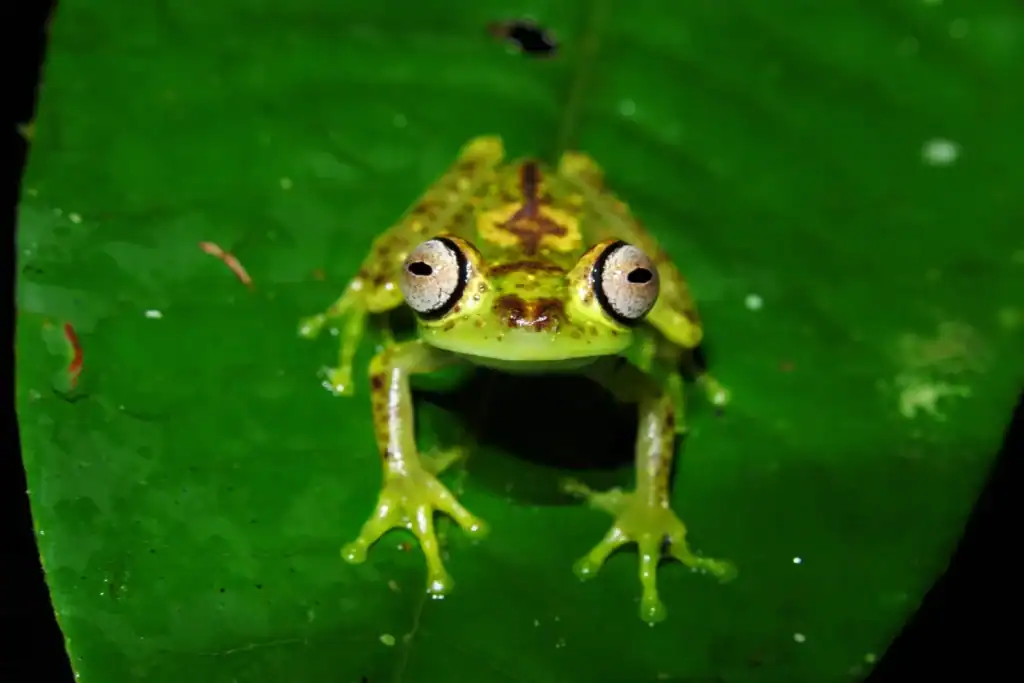
Safe travel through the Surinamese jungle and rivers
The most common dangerous snakes
In addition to the coral snake, there are several other poisonous Surinamese snakes in Suriname that you should know. The Peti sula and Awadan sula are local names for species that occur mainly in the rainforest. These snakes have venom teeth with which they paralyze their prey. Fortunately, most snakes are not aggressive and only bite when they feel threatened. Local guides immediately recognize these animals by their color patterns and behavior. If you book a tour through areas such as mountain & dal, you will always receive comprehensive instructions on how to safely navigate snake area.
Awareness of your surroundings in the rainforest
During your inland expedition, you may pass locations that are home to unique fish species such as Moenkhausia surinamensis, Leporinus granti , and Poptella brevispina . Although these freshwater fish are not dangerous, they show the rich biodiversity of Suriname. The Sternopygus macrurus, an electric fish, lives in the same waters where larger predators such as caiman also occur. The Aquatic Discoveries platform documents these fascinating aquatic ecosystems. When you travel with Blue Bird Tours & Travel, local experts will teach you the signs of dangerous animals and how to stay safe on river trips and jungle excursions.
Scientific research on Surinamese fauna
The scientific research on Surinamese animals, such as studies on the mitochondrial genome of local species and chemical analysis of snake venom, helps to better understand these animals. Similar studies with the Brachidanio rerio, a model organism in science, offer insights into the evolution of tropical species. Programs such as Freeks wild world have brought the special nature of Suriname to the attention of a wide audience. This scientific awareness translates to better safety protocols for tourists exploring the jungle, always benefiting from the latest knowledge about animal behavior.
Local knowledge and traditional names
For centuries, the Surinamese people have learned to live together with the jungle and its inhabitants. Names such as Kumaru njanjan and Red Eyes refer to specific animals that play an important role in local stories and traditions. This traditional knowledge is passed down from generation to generation and forms the basis for modern safety guidelines. When you choose an authentic experience with local guides, you will not only get practical tips, but also cultural context that will enrich your trip. Blue Bird Tours & Travel connects you with guides who share these stories and teach you how ancestors safely navigated the rainforest.
Practical preparation for your adventure
Before you leave for remote areas, check with the nearest medical post about available facilities and emergency procedures. Follow Blue Bird on social media for up-to-date updates on safety and wildlife sightings. You can also search the website for specific information about your chosen route. Follow us for regular tips from experienced travelers and guides. For those who are considering staying for a longer period of time and are interested in living and working in Suriname, Blue Bird also offers advice on long-term stays in this fascinating country, where respect for nature and its inhabitants is central.
Frequently asked questions (FAQs)
How do I safely reach remote areas like Gran Rio?
For trips to Gran Rio and other remote areas, Blue Bird Tours & Travel works exclusively with experienced local guides who know the routes through the interior. They will take you safely to destinations such as Berg & Dal and the Ayo plantation area, with knowledge of wildlife hotspots and access to the nearest medical post. Transport is often done via boat and 4×4, with guides constantly communicating about safety and animal sightings. All tours include briefings on rules of conduct in the jungle.
What traditional animal names should I know for my safety?
Local guides use traditional names such as Kumaru njanjan and Red Eyes to indicate specific animals that are important to your safety. The Peti sula and Awadan sula are local names for poisonous snakes that you should avoid. This traditional knowledge helps you react faster when guides issue alerts. Blue Bird’s local partners will teach you to recognize and understand these names, which is essential for safe communication during jungle excursions and river trips through Suriname.
Where can I find scientific information about Surinamese animals?
Platforms such as Aquatic Discoveries and programs such as Freeks wild world offer extensive documentation on Surinamese fauna. Scientific research on the mitochondrial genome and chemical analysis of snake venom helps tourists better understand the risks. Studies with model organisms such as Brachidanio rerio provide insight into tropical ecosystems. Blue Bird’s website contains links to reliable sources, and you can search the website for specific information about species along your planned rainforest route.
What fish species do I encounter in Surinamese rivers?
During river trips you can spot unique species such as Moenkhausia surinamensis, Leporinus granti and Poptella brevispina in clear jungle rivers. The Sternopygus macrurus, an electric fish, lives in the same waters as caiman and other predators. Although these fish are not dangerous, they show the rich biodiversity where you should be alert for other aquatic inhabitants. Local guides from Blue Bird Tours & Travel share fascinating facts about these species during your aquatic life observations.
How can I identify poisonous snakes by their characteristics?
Venomous Surinamese snakes can often be recognized by specific color patterns and behavior. The Micrurus surinamensis has distinctive red, yellow, and black bands, while other species show venom teeth when they feel threatened. Local guides will teach you to distinguish between dangerous and harmless species during safety briefings. Blue Bird’s partners use photos and real-life examples to prepare you for potential encounters, so you can respond calmly and appropriately during jungle hikes.
How do I stay up to date with current wildlife sightings?
Follow us on social media for real-time updates on wildlife sightings and safety tips from experienced guides and travelers. Blue Bird regularly shares information about seasonal animal activity, recent encounters with anaconda snake specimens, and locations of the venomous jungle scorpion. These updates will help you better prepare for your specific travel period. The community of Blue Bird travelers shares experiences that provide valuable practical insights for those exploring the Surinamese jungle.
Can I stay in Suriname for a longer period of time to study nature?
For those interested in living and working in Suriname, Blue Bird offers advice on long-term stays in areas close to nature. You’ll get information about accommodation options near research sites, work permits for naturalist guides, and volunteer programs. Long-term stay gives you the chance to observe seasonal patterns of animals such as the Surinamese coral snake and learn more deeply about traditional survival techniques. Blue Bird connects you with local organizations that combine scientific research and ecotourism.
What should I do if I encounter a poisonous animal?
When encountering venomous animals such as snakes or the venomous jungle scorpion, always stay calm and move backwards slowly without sudden movements. Local guides always carry emergency equipment and know the route to the nearest medical post. Blue Bird’s tours always include emergency communication tools. During the pre-tour briefing, you’ll practice safety procedures and learn to recognize when animals feel threatened, which usually prevents biting.
Your journey, just the way you want it
Whether you dream of a private snorkeling tour, a surprise trip for a special occasion or just want to be completely unburdened, we will arrange it!
Together, we’ll put together a unique experience that perfectly suits your needs. Personalized, flexible and organized to perfection.