
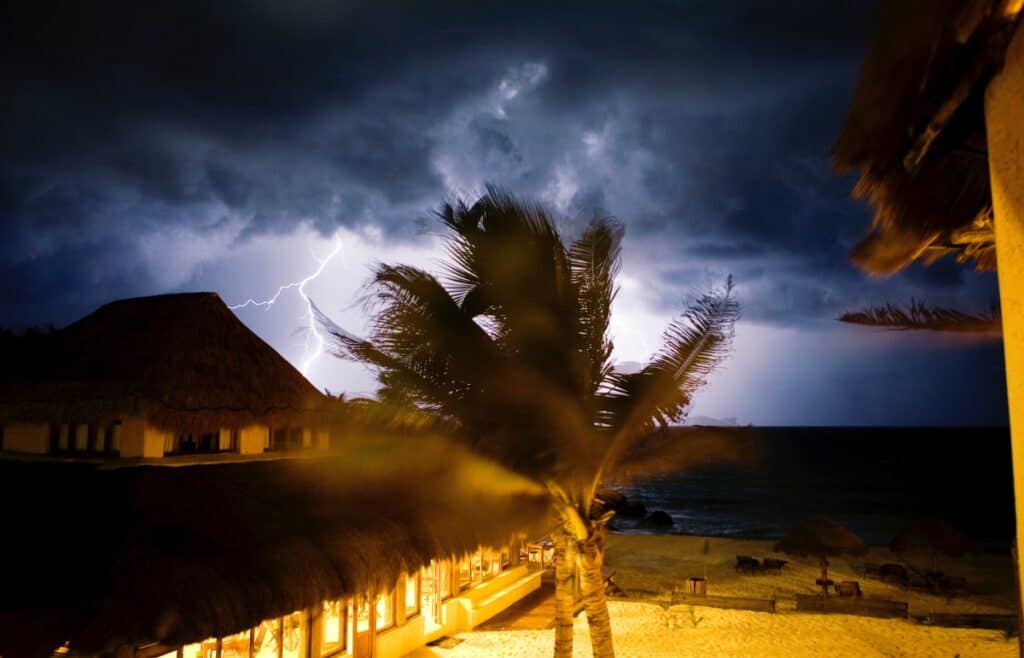
Aruba hurricane season: what you need to know
Aruba hurricane season: what you need to know
Are you planning to visit Aruba and wondering how the hurricane season will affect your trip?
Why Aruba is outside the hurricane zone
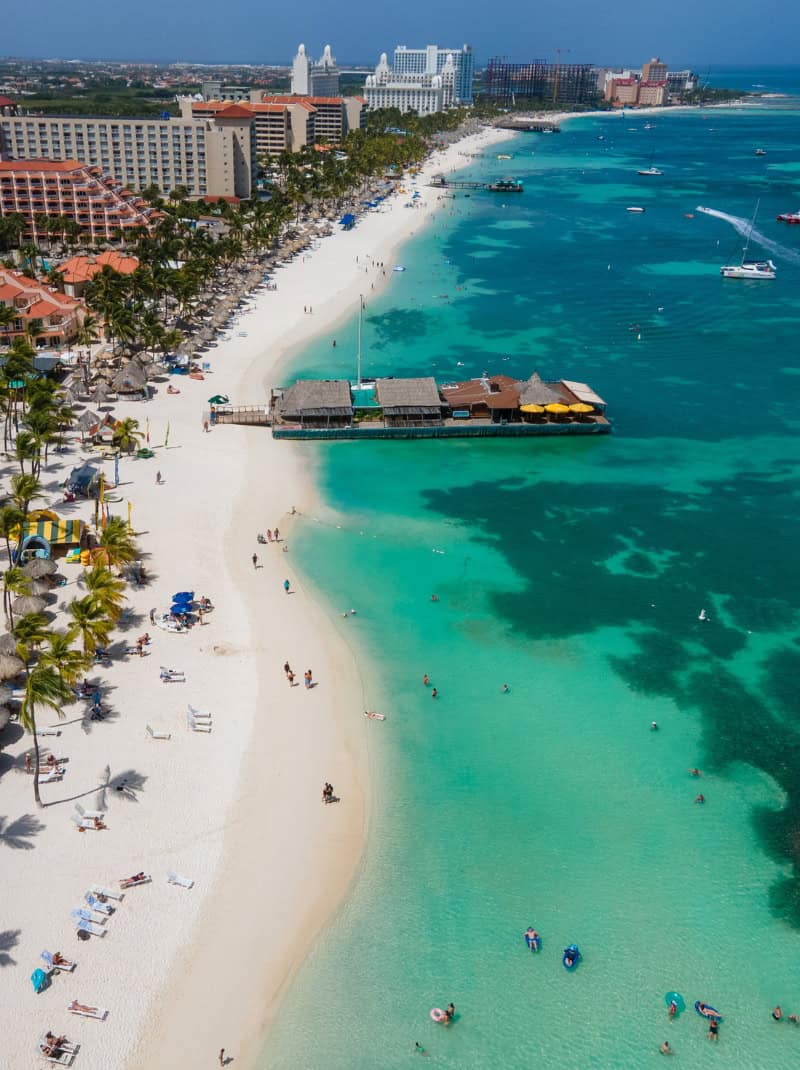
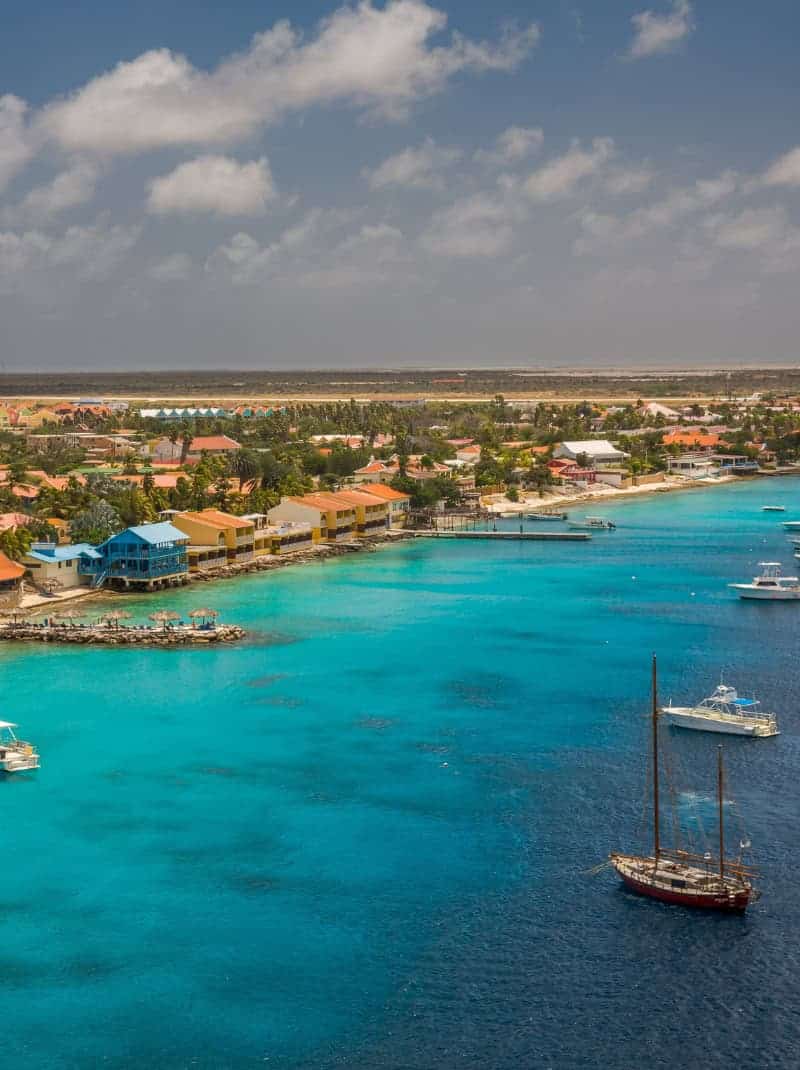
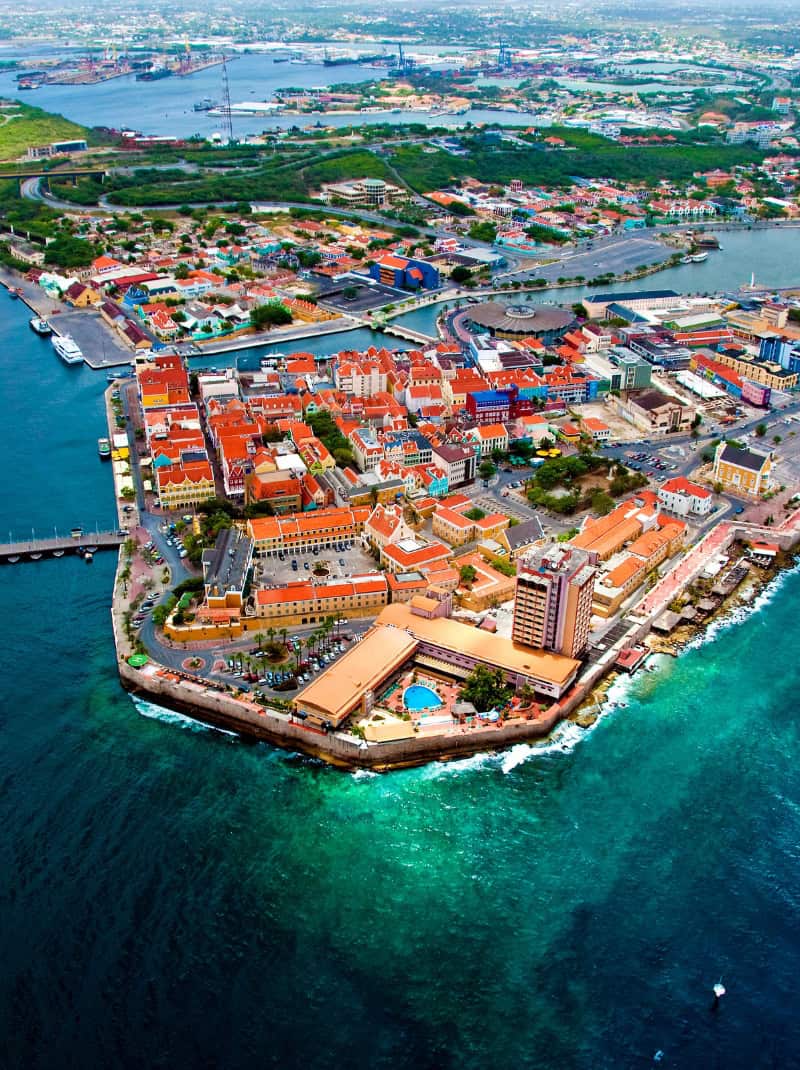
Good news: Aruba is fortunately far outside the traditional hurricane path of the Atlantic Ocean. While other Caribbean islands regularly experience tropical storms and a category 3 or higher tropical hurricane, Aruba is located far south in the Caribbean Sea. The island is outside the typical route that tropical cyclones follow through the Tropical North Atlantic Ocean. Although the National Hurricane Center closely monitors every tropical system, historically Aruba, Bonaire and Curaçao are rarely directly affected.
That means you can safely travel to Aruba all year round, even during the official hurricane months from June to November. Although a tropical wave can sometimes bring a little more rain, the island is spared from extreme weather conditions such as a category 5 hurricane. For current updates, you can follow the Facebook page Directie Volksgezondheid DVG Aruba or consult the NOAA National Hurricane Center. At Blue Bird Tours & Travel, we arrange your trip with certainty and flexibility, so you can enjoy Aruba’s beautiful beaches and authentic culture without any worries.
How Different Hurricane Categories Are Classified
The classification system of tropical systems
The National Hurricane Center uses a clear system to classify tropical weather systems. A tropical disturbance is the first phase in which a weather system develops. When the wind speed increases, it is called a tropical storm with winds between 63 and 118 kilometers per hour. Only at even higher wind speeds will a full-fledged tropical hurricane form. For Aruba, it is reassuring that the island is outside the main route of these systems, but it is still useful to understand the categories.
From Category 1 to Category 5 Hurricanes
The Saffir-Simpson scale divides tropical hurricanes into five categories based on wind speed. A category 1 hurricane already has considerable strength with winds of 119 to 153 kilometers per hour. A category 3 hurricane is considered a major threat with extreme wind speeds and dangerous storm surges. The most destructive systems reach category 5 status with winds above 252 kilometers per hour. Fortunately, Aruba is spared such extreme weather conditions thanks to its southern location in the Caribbean Sea.
The influence of climate patterns on hurricane activity
Meteorological phenomena such as La Niña influence the intensity of the hurricane season. The Climate Forecast Aruba shows that the island has a consistently dry and sunny climate, even during months when other Caribbean islands experience increased storm activity. This stable weather pattern makes Aruba an ideal destination for travelers seeking security. At Blue Bird Tours & Travel, you can therefore confidently put together your trip all year round, knowing that the weather rarely throws a spanner in the works.
Official warnings and how they work
When a tropical system approaches the Caribbean region, the NOAA National Hurricane Center issues several warning levels. A Hurricane Watch means that hurricane conditions are possible within 48 hours. In the event of a Hurricane warning , these conditions are expected within 36 hours and immediate precautions are advised. For Aruba, such alerts are extremely rare, but the island keeps a close eye on all systems in the region through local authorities.
Historical storms in the region
Although Aruba is rarely directly affected, it is interesting to know that the region has indeed had to deal with tropical storms . Tropical Storm Cesar-Douglas in 1996 is an example of a system that affected the southern Caribbean. Such events highlight the importance of preparedness, although Aruba’s geographical position consistently protects the island. Blue Bird Tours & Travel follows all weather developments and informs travelers proactively, so that your trip always goes smoothly.
Where to find reliable updates
For the most up-to-date information about weather conditions, you can consult several sources. The Facebook page Directie Volksgezondheid DVG Aruba shares local updates and safety advice in Dutch. In addition, the National Hurricane Center provides detailed tracking of all active systems in the Tropical North Atlantic. This combination of local and international sources ensures that you always stay up to date. At Blue Bird, we ensure that you receive all relevant information before departure, including practical tips for a carefree trip to Aruba.
Frequently asked questions (FAQs)
What is the difference between a tropical wave and a tropical storm?
A tropical wave is a low-pressure area with organized thunderclouds that moves over the Atlantic Ocean , but does not yet have a closed circulation. When wind speeds increase to 63 kilometers per hour and a clear circulation occurs, it is called a tropical storm. For Aruba, a tropical wave usually only means more clouds and light showers, without danger. The island is so southern that even tropical storms rarely have a direct impact. Blue Bird Tours & Travel monitors all systems so that your trip can continue undisturbed.
Where can I find the official climate forecast for Aruba?
The Climate forecast Aruba is available via the Meteorological Department Aruba and the Facebook page Directorate of Public Health DVG Aruba. These sources share up-to-date information about weather conditions and any tropical disturbances in the region. The NOAA National Hurricane Center also provides detailed forecasts for the entire Tropical North Atlantic Ocean. For Aruba, the climate remains consistently dry and sunny, even during traditional hurricane months. Blue Bird shares relevant updates with travelers prior to departure for maximum peace of mind.
How does La Niña affect the weather in Aruba during hurricane season?
La Niña typically increases hurricane activity in the Atlantic Ocean by creating warmer sea temperatures and favorable atmospheric conditions. For Aruba, however, this has minimal impact due to its southern location outside the main hurricane lane. While northern Caribbean islands may experience more tropical hurricanes during La Niña years, Aruba’s climate forecast remains stable with mostly sunny days. This makes the island a reliable choice for travelers seeking security. Blue Bird Tours & Travel plans your trip with confidence, regardless of climate patterns.
What exactly does a Hurricane Watch mean for travelers?
A Hurricane Watch means that hurricane conditions are possible within 48 hours in a specific area. This is a preparation phase in which authorities recommend making plans and stockpiling. A hurricane warning is more severe and means that hurricane is expected within 36 hours, with immediate action required. For Aruba, such warnings are almost never issued by the National Hurricane Center due to its favorable location. In the unlikely event that a tropical cyclone approaches the region, Blue Bird proactively informs all travelers with clear instructions.
What historical tropical storms have impacted the Southern Caribbean?
Tropical storm Cesar-Douglas in 1996 is one of the few systems that had an impact on the southern Caribbean, although Aruba was relatively spared even then. This storm showed that even southern islands must remain vigilant during hurricane season. The National Hurricane Centre documents all historical systems in the Tropical North Atlantic Ocean for future analysis. However, such events are rare for Aruba, Bonaire and Curaçao. Blue Bird Tours & Travel uses historical data to provide travelers with reliable information about weather patterns.
What is a tropical disturbance and when does it become dangerous?
A tropical disturbance is a disorganized area with thunderclouds over tropical waters with no apparent circulation. Meteorologists at the NOAA National Hurricane Center monitor these systems because they can evolve into a tropical storm or even a tropical cyclone. For Aruba , tropical disturbances rarely pose a threat; Usually they only bring short-term showers. Only when wind speeds increase significantly and a closed circulation is created, potential danger arises. Blue Bird keeps track of all weather developments so that travelers are informed in time.
How does the National Hurricane Center track tropical systems in the Atlantic?
The National Hurricane Center uses satellites, aircraft, and weather models to monitor all tropical systems in the Atlantic 24 /7. Specialists assess each tropical wave and tropical disturbance for development potential into a tropical storm or hurricane. For the Tropical North Atlantic Ocean , they publish regular updates with predicted routes and intensity. Aruba benefits from this accurate tracking, although the island rarely enters danger zones. Blue Bird consults these official sources to provide travelers with up-to-date information.
Why does Aruba rarely have to deal with a category 1 tropical hurricane?
Even a category 1 tropical hurricane rarely reaches Aruba due to its southern location far below the typical hurricane trajectory. Most tropical cyclones originate off the African coast and move northwest through the Tropical North Atlantic Ocean, passing northern Caribbean islands. Aruba’s position near the Venezuelan coast means that even weaker systems tend to stay further north. The National Hurricane Center confirms this favorable geographical protection year after year. Blue Bird Tours & Travel therefore books trips with confidence throughout the season.
Your journey, just the way you want it
Whether you dream of a private snorkeling tour, a surprise trip for a special occasion or just want to be completely unburdened, we will arrange it!
Together, we’ll put together a unique experience that perfectly suits your needs. Personalized, flexible and organized to perfection.