Where exactly is Bonaire?
Where exactly is Bonaire?
Are you curious about the exact location of this diving paradise in the Caribbean waters?
A pearl off the Venezuelan coast
Bonaire is located in the Caribbean Sea, about 80 kilometers north of the coast of Venezuela. The island is part of the Leeward Islands and belongs to the Caribbean Netherlands, which means that it is a special municipality within the Kingdom of the Netherlands. Since the dismantling of the Netherlands Antilles in 2010, Bonaire has had the status of a Caribbean public entity. You can reach the island via Flamingo Airport, with direct flights from Europe and various connections within the Caribbean.
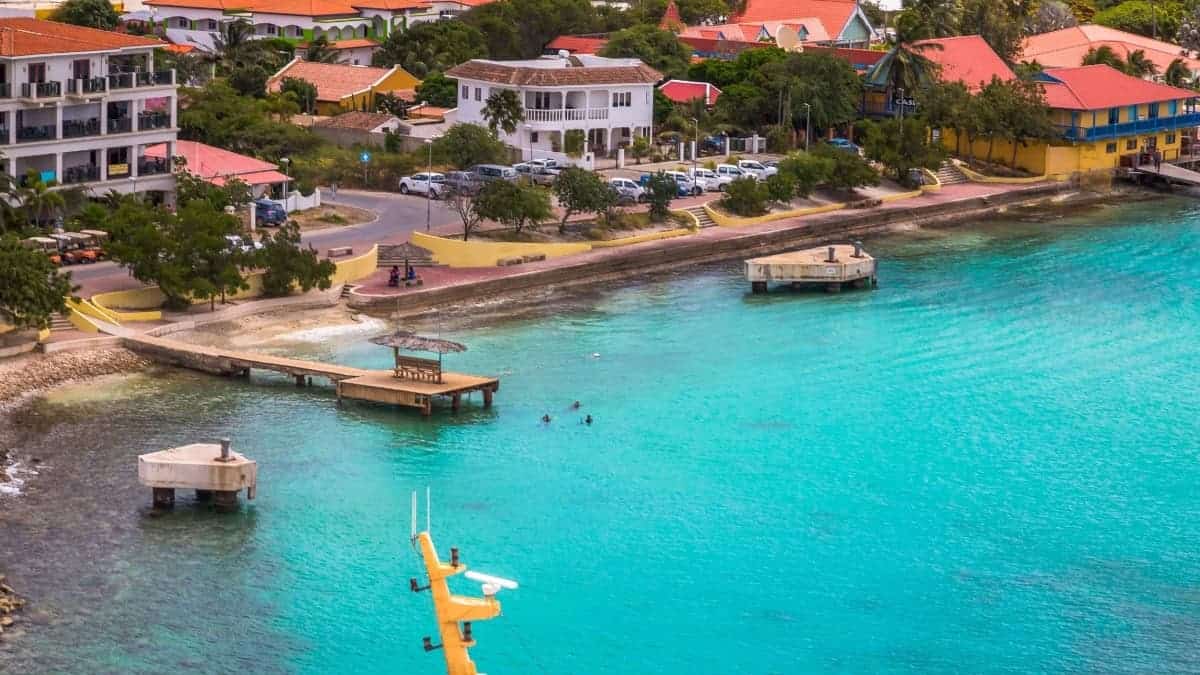
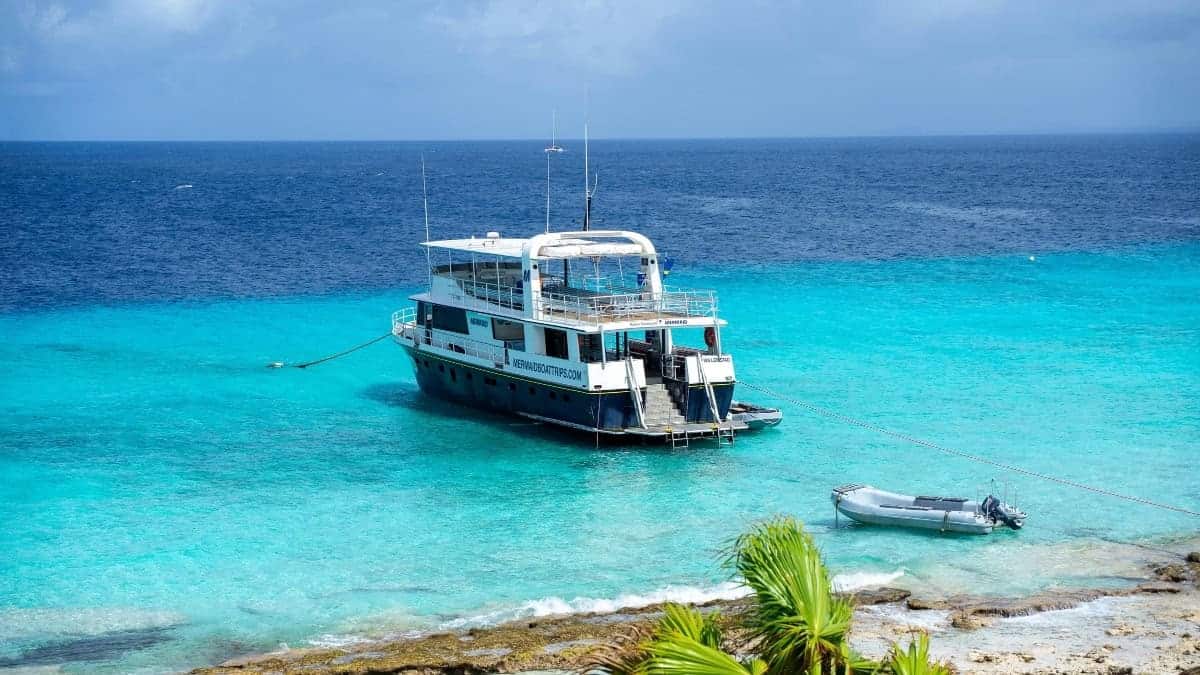
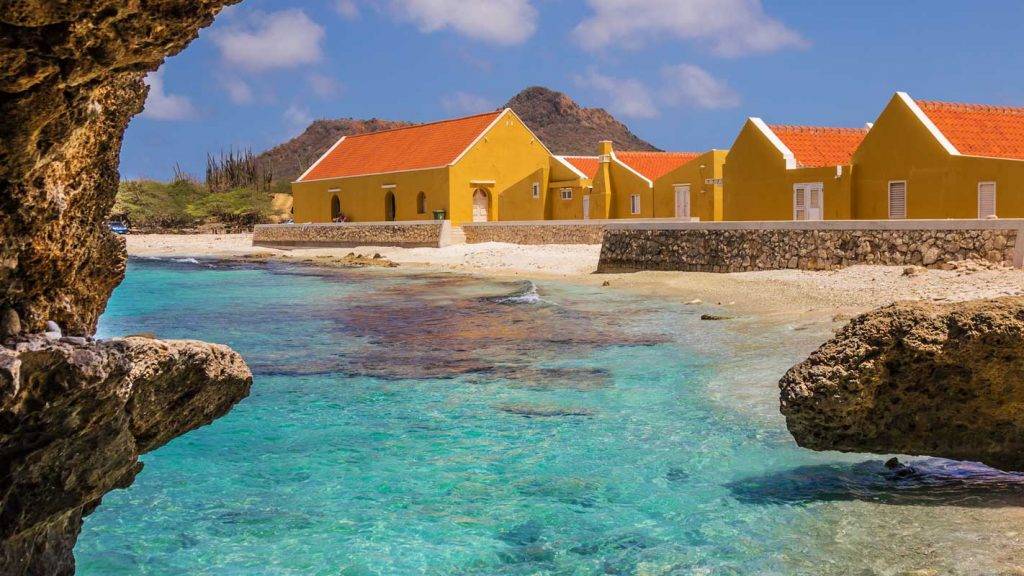
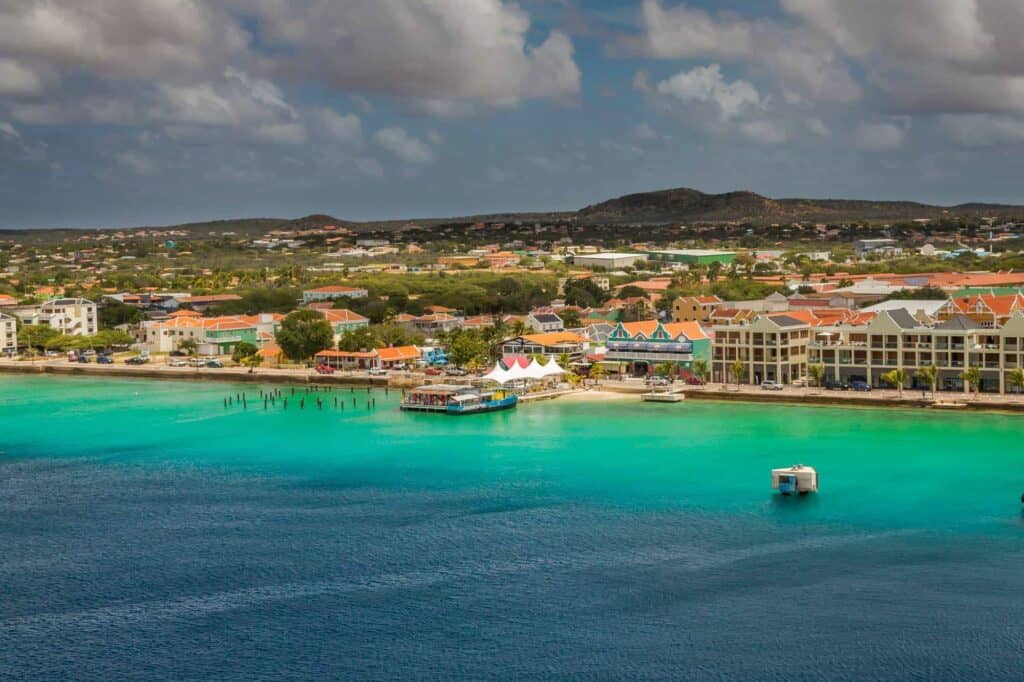
What makes Bonaire unique is not only where it is located, but also what you find there. The Washington Slagbaai National Park in the north offers breathtaking scenery, while Lac Bay is ideal for windsurfers. The nearby uninhabited island of Klein Bonaire , together with the coast, forms a protected marine park. Whether you’re diving in crystal-clear waters, want to rent a car to explore the island, or simply enjoy the tranquility, Bonaire combines Caribbean charm with Dutch influences in a way you won’t experience anywhere else.
Practical information for your visit to Bonaire
How to get to Bonaire
Most European travelers land at Bonaire International Airport, also known as Flamingo Airport. From the Netherlands, Dreamliner planes regularly depart from Schiphol Airport, so you can be in the Caribbean paradise within a few hours. The flight takes you from cold Northern Europe directly to the warm Caribbean Plate, where the island lies quietly in the Caribbean Sea . Many travelers combine their visit to Bonaire with other islands in the Caribbean, allowing you to experience multiple destinations in one trip. Blue Bird Tours & Travel makes it possible to easily put together such a multi-island adventure, including all transfers and accommodations.
Arrange transportation on the island
Once you arrive, you naturally want to explore the entire island. Car hire is the most popular option, and companies such as AB Car Rental offer reliable service directly from the airport. With a rental car, you can discover the hidden corners at your own pace, from the traditional residential areas in Rincon to the lonely beaches in the north. The roads are well-maintained and the signage is clear, making it an ideal destination for those who like to travel independently. By the way, you pay with the US Dollar, which makes budgeting easier during your trip.
Where to stay on your adventure
Bonaire offers various accommodation options, from intimate resorts to luxury accommodations with every conceivable amenity. The Chogogo Dive & Beach Resort combines diving facilities with comfortable accommodation, while Corallium Hotels & Villas Bonaire caters to guests looking for premium experiences. For extended stays or families, villas are an excellent choice, complete with private dive equipment storage and snorkel gear. Blue Bird will help you find the perfect place to suit your travel budget and needs, seamlessly combining your accommodation with your chosen tours and activities.
Cultural highlights and local traditions
Bonaire’s rich heritage comes to life in the Bonaire Museum, where you can learn about the island’s history and maritime tradition. The musical genre tambú reflects the Afro-Caribbean roots, while influences from Dutch culture can be found everywhere in architecture and governance. Visit Kas di Bara to admire authentic local art, or discover how vexillologist Whitney Smith and composer Jean Bernard Antonio Palm contributed to the island identity. The Flag of Bonaire with its distinctive red star symbolizes the pride of the population, a feeling that you experience everywhere during your visit.
Natural sites not to be missed
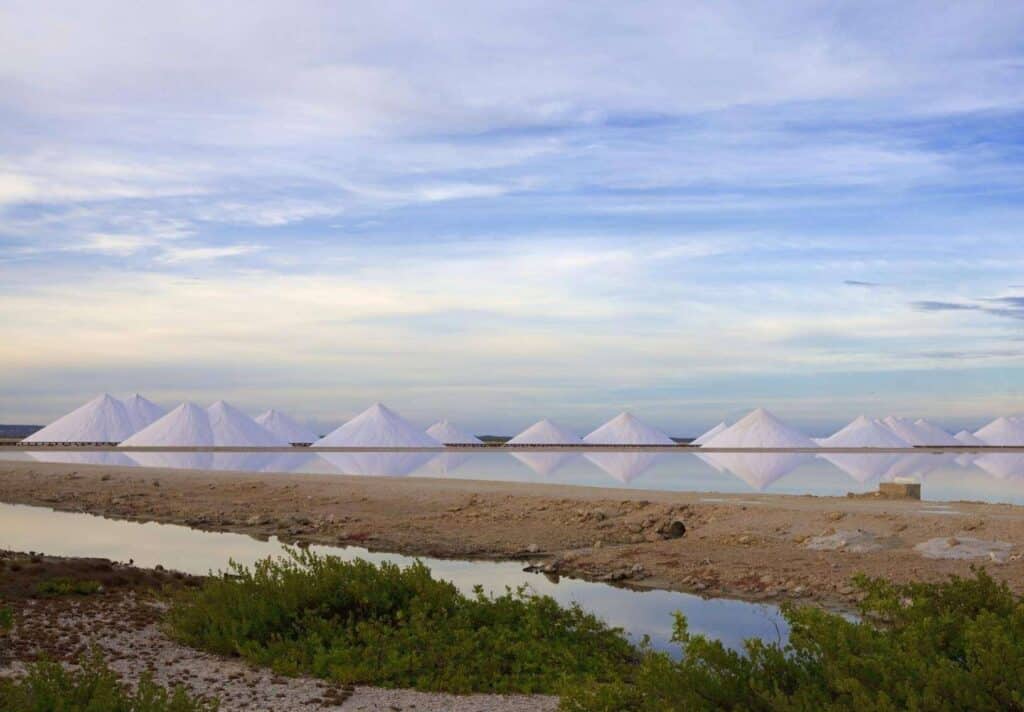
The Washington Slagbaai National Park covers a large part of the northern island and offers breathtaking landscapes with rugged coastlines and salt flats. STINAPA Bonaire manages both the land park and the Bonaire National Marine Park, which protects the entire coastal area according to the Ramsar Convention. At Lac Bay, you’ll find mangroves and shallow waters perfect for kitesurfing, while the Willemstoren lighthouse to the south makes an iconic landmark. For the ultimate diving experience, sail to Klein Bonaire, where pristine reefs are waiting to be discovered.
Practical services and facilities
Bonaire is well organized with modern facilities such as Hospital San Francisco for medical care and even an Albert Heijn supermarket where you can find familiar Dutch products. The geographical coordinates strategically place Bonaire between North America and South America, which guarantees excellent connections. The island functions as a Caribbean public entity with its own regulations, with bodies similar to the National Ombudsman ensuring administrative transparency. This reliable infrastructure makes Bonaire accessible to all travelers, from adventurers to families looking for a carefree vacation.
Carefree arrival
Airport Transfer on Bonaire - Reliable and affordable
Start and end your holiday in peace. Blue Bird Tours & Travel takes care of your personal plane transfer on Bonaire directly from Flamingo Airport to your hotel, resort or diving school. We are also there for you during your stay; use our reliable taxi on Bonaire for a comfortable ride to the most beautiful restaurants, beaches or diving locations.
Frequently asked questions (FAQs)
Which agencies manage nature and the environment on Bonaire?
Nature management is provided by STINAPA Bonaire, which is responsible for both the Washington Slagbaai National Park and the Bonaire National Marine Park. This organization works according to international agreements such as the Ramsar Convention to protect vulnerable ecosystems. In addition, national authorities similar to the High Council of Nobility and the Custodial Institutions Agency play a role in general administration. For visitors, this means well-organized nature reserves with clear regulations and professional maintenance of hiking trails and diving sites.
What makes the Caribbean Plate geologically special?
The Caribbean Plate is a tectonic plate on which Bonaire rests, which gives the island its unique geology. The geographical coordinates place Bonaire on the edge of this plate, close to South America but clearly Caribbean in character. This location explains the relatively low volcanic activity and stable subsoil, ideal for coral reef formation. The island belongs to the Lesser Antilles and is strategically located between different climate zones, which makes for a dry climate perfect for year-round travel and outdoor activities.
What cultural figures have shaped Bonaire?
Composer Jean Bernard Antonio Palm is considered the father of the waltz on Bonaire, with his sinfonia di man defining island music. Vexillologist Whitney Smith designed symbols that reinforce the island identity, while local artists contribute to the preservation of the musical genre tambú. These cultural pioneers combined Afro-Caribbean traditions with European influences, resulting in a unique cultural mix that you experience during festivals, museum visits and live performances in traditional settings.
Where can I find medical facilities during my stay?
For medical care, you can go to Hospital San Francisco, the most important hospital on Bonaire with modern facilities and Dutch and English-speaking staff. The island functions as a Caribbean public entity with its own healthcare system that meets Dutch standards. For administrative matters, there are similar structures as the National Ombudsman for complaint handling. Travelers are advised to take out a good travel insurance that covers the Caribbean Netherlands, as regular Dutch health insurance policies offer limited coverage outside Europe.
Can I find Dutch products on Bonaire?
Yes, the Albert Heijn supermarket offers a wide range of familiar Dutch products, from syrup waffles to licorice and sprinkles. This makes Bonaire accessible to Dutch families who want to combine well-known brands with local specialties. The presence of Dutch culture is also noticeable in bakeries, administrative procedures and opening hours that follow Dutch customs. Local markets also offer Caribbean ingredients and fresh fish, allowing you to combine the best of both worlds during your stay on this special island.
Which airport connects Bonaire to the world?
Flights land at Bonaire International Airport, which offers excellent connections via modern Dreamliner aircraft from Schiphol Airport. The direct KLM connection makes Bonaire accessible to European travelers without detours. Within the region there are frequent connections to Curaçao, Aruba and South American cities. Blue Bird Tours & Travel can coordinate your entire trip from arrival at the airport to transfer to your accommodation, with providers such as AB Car Rental available directly at the terminal for rental cars and private transport.
What is the official status of Bonaire within the Netherlands?
Since 2010, Bonaire has functioned as a Caribbean public entity within the Kingdom of the Netherlands, which means that Dutch laws are largely applicable but with local adjustments. After the dismantling of the Netherlands Antilles, the island developed direct ties with The Hague. This has practical advantages: Dutch passport holders do not need a visa, and institutional quality meets European standards. At the same time, Bonaire retains its own cultural identity and Caribbean customs, which creates a unique mix of administrative reliability and island atmosphere.
Which iconic lighthouse symbolizes Bonaire?
The Willemstoren lighthouse marks the southernmost point of Bonaire and serves as a navigational aid for ships in the Caribbean Sea. This historic tower is a symbol of Bonaire’s maritime tradition and offers spectacular views of the coastline. The area around it is popular with snorkelers because of clear waters and accessible reefs. The lighthouse appears on many postcards and makes a favorite photo opportunity for visitors. Accessible via a short drive from Kralendijk, this location combines history with natural beauty in a compact experience perfect for an afternoon getaway.
Your journey, just the way you want it
Whether you dream of a private snorkeling tour, a surprise trip for a special occasion or just want to be completely unburdened, we will arrange it!
Together, we’ll put together a unique experience that perfectly suits your needs. Personalized, flexible and organized to perfection.