Is Bonaire expensive?
Is Bonaire expensive?
Are you curious whether a trip to Bonaire fits within your budget and what you should expect in terms of costs?
What determines the cost of a stay on Bonaire?
Bonaire belongs to the Caribbean Netherlands and is part of the Kingdom of the Netherlands, which means that you can pay with the US Dollar. The cost of living is higher than in the Netherlands, especially for fresh fruit and vegetables that are often imported. Supermarkets such as Albert Heijn and Van der Tweel supermarket offer well-known products, but at solid Caribbean prices.
For accommodation, the options range from Corallium Hotel & Villas Bonaire to small-scale options such as Senses Boutique hotel & apartments. Car hire is popular for exploring the island independently, including sights such as Washington Slagbaai National Park. Don’t forget to pay the STINAPA Nature Fee, a mandatory contribution for nature conservation. Flamingo Airport is the starting point for most travelers visiting this diver’s paradise.
Blue Bird Tours & Travel helps you put together a trip that fits your budget. Whether you choose an active holiday with diving in the Caribbean Sea or quietly enjoying the local culture, we make sure you have authentic experiences without surprises. Discover how you can travel smart on this unique island of the ABC islands.
Practical tips for smart budgeting on Bonaire
Transport on the island: cheap or pricey?
If you want to fully explore the island, renting a car on Bonaire is almost indispensable. The distances are relatively small, but public transport is limited. You can also rent a Scooter Bonaire for a more adventurous feeling, ideal for reaching hidden spots like Lac Bay and the northern part of the island. Scooters Bonaire offers affordable daily rates, perfect for travelers who want flexibility without high costs. From Flamingo Airport, you can drive to your accommodation within minutes, and the roads are well-maintained.
Eating and shopping in the Caribbean
The cost of living on Bonaire is higher than you are used to, especially when it comes to fresh products. Supermarkets such as Albert Heijn and Van der Tweel supermarket offer recognizable brands, but import costs drive up prices. Fresh vegetables and fresh fruit are often more expensive because they are supplied from abroad. Local markets sometimes offer cheaper alternatives, and restaurants like El Bigote serve authentic cuisine at reasonable prices. If you want to eat budget-friendly, buy locally and cook yourself in your accommodation.
Accommodation: from boutique to resort
You will find various accommodation options on Bonaire, ranging from luxury resorts to small-scale boutique hotels. The Senses Boutique hotel & apartments offers comfortable rooms with a personal touch, while Corallium Hotel & Villas Bonaire offers a little more luxury in a quiet environment. For those looking for an all-inclusive stay, Van der Valk Plaza Resort is a popular choice with direct access to the beach. Blue Bird Tours & Travel helps you combine accommodations with tours and transport, so that you put together a complete package that suits your wishes and budget.
Mandatory costs and entrance fees
Every visitor to Bonaire pays the STINAPA Nature Fee, a mandatory contribution for nature conservation that you can arrange online via a Stinapa E-ticket. In addition, there is the Visitor Entrance Fee, which is used for maintenance of the island. If you want to visit the Washington Slagbaai National Park , you pay a separate entrance fee. These costs are mandatory, but are a reasonable investment for access to one of the most beautiful nature reserves in the Caribbean Netherlands. Divers often pay extra for access to protected dive sites in the Caribbean Sea.
Working and living: a more expensive life?
Are you considering staying longer? Living on Bonaire means dealing with higher costs of living compared to the Netherlands. Job opportunities on Bonaire are mainly in tourism and hospitality, and some companies offer housing. The official language Papiamentu is everywhere, but the Dutch language is also widespread because Bonaire is part of the Kingdom of the Netherlands. You have to take into account Health Insurance Caribbean Netherlands, which works differently from the Dutch insurance. The US Dollar is the official means of payment, which can cause exchange rate fluctuations.
The island for adventurers and relaxation
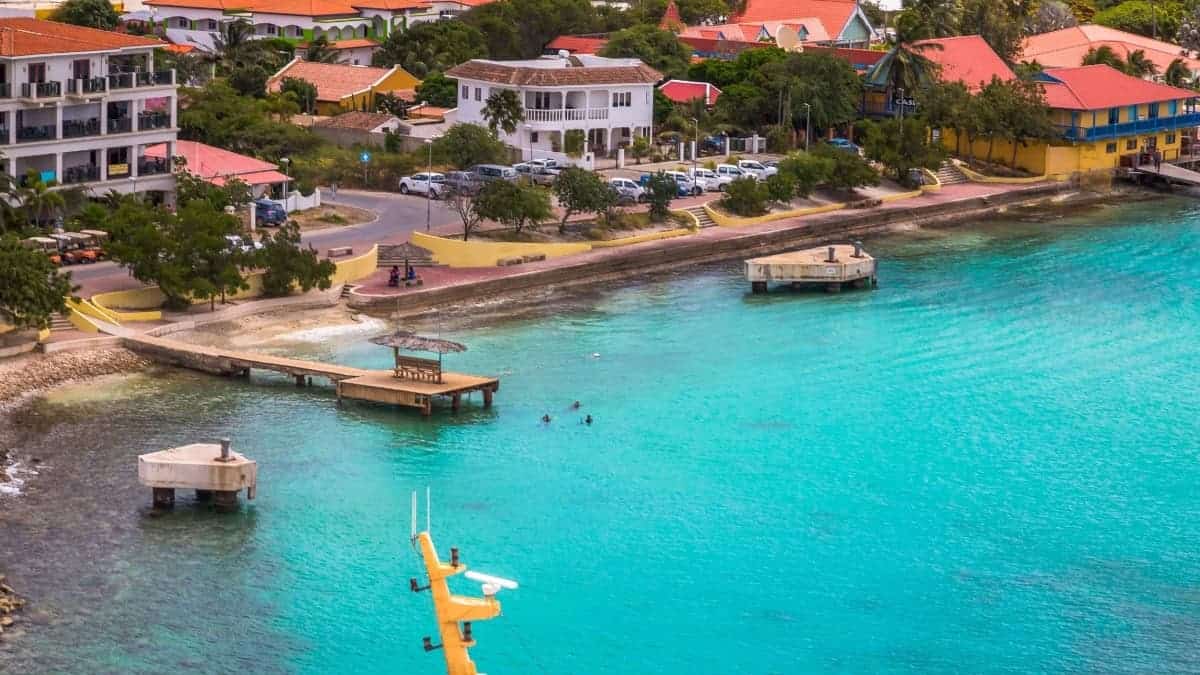
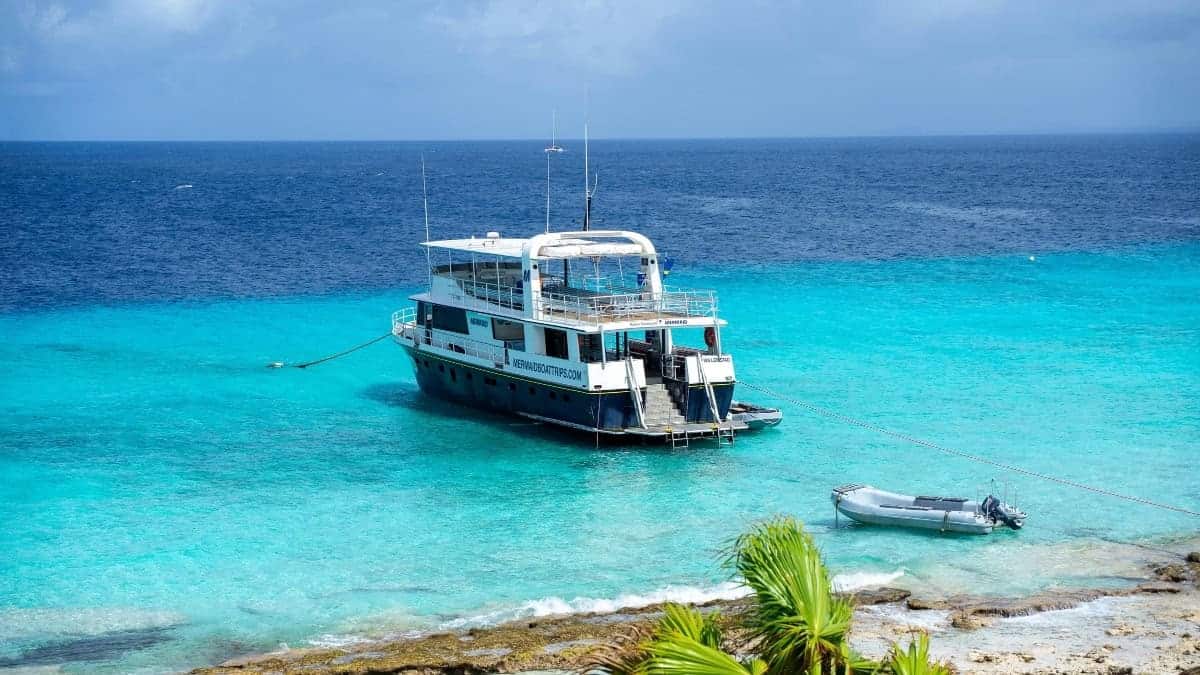
Bonaire is known as a diverse paradise and attracts thousands of divers and snorkelers every year. But kite surfers will also find their happiness here; the north of the island is not called Kite City for nothing. The Lesser Antilles and specifically the ABC islands each offer a unique experience, and Bonaire guarantees peace and natural beauty. Blue Bird Tours & Travel offers personalized tours that bring you closer to the culture and nature of the island, without having to worry about logistics or hidden costs.
Frequently asked questions (FAQs)
Do I have to take into account Yellow Fever vaccination for Bonaire?
No Yellow Fever vaccination is required for travel to Bonaire from the Netherlands. However, it is wise to check your standard vaccinations. Bonaire belongs to the Caribbean Netherlands and has a tropical climate, so familiarize yourself in advance with the healthcare on the island. The Health Insurance Caribbean Netherlands works differently than in the European Netherlands, so check with your insurer in advance. Blue Bird Tours & Travel always advises to take out travel insurance that covers medical expenses in the Caribbean .
What is the difference between the US Dollar and the Antillean Guilder on Bonaire?
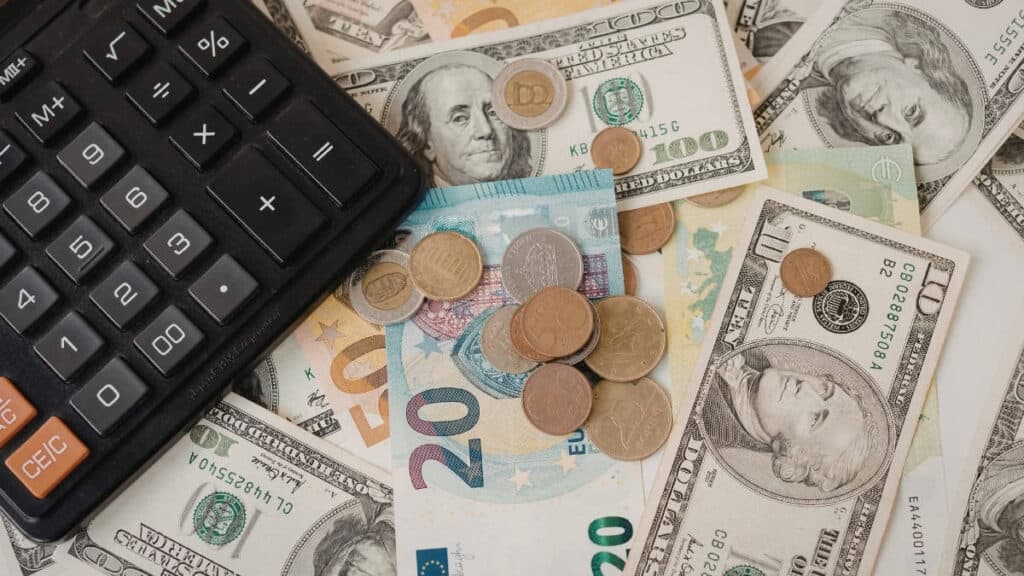
On Bonaire you pay with the US Dollar, because the island is part of the Caribbean Netherlands. The Antillean Guilder is used in Curaçao and Sint Maarten, which have a different administrative status within the Kingdom of the Netherlands. This makes budgeting easier because you don’t have to calculate an exchange rate between islands of the ABC islands. ATMs and stores accept dollars everywhere. Blue Bird helps you plan multi-island trips that take into account different currencies.
Are there any vacancies available if I want to work on Bonaire temporarily?
There are regular Job Opportunities on Bonaire in sectors such as hospitality, diving instruction and tourism. The island attracts seasonal workers because of its status as a diverse paradise and popular destination in the Lesser Antilles. Employers often prefer people who speak both the Dutch language and English. Learning the official language Papiamentu is a plus. Take into account higher costs of living and make sure your Health Insurance Caribbean Netherlands is in order. Blue Bird works with local partners who are sometimes looking for staff.
Why is Bonaire also called Kite City?
The northern part of Bonaire is known as Kite City, thanks to the constant trade winds that are ideal for kitesurfing. This area attracts boaters from all over the Caribbean Sea who are looking for perfect conditions. In addition to diving as a diverse paradise , Bonaire also offers top locations for kite surfing. The combination of shallow water at Lac Bay and strong winds makes it suitable for both beginners and advanced surfers. Blue Bird can arrange kitesurfing lessons and equipment rental for you as part of your travel package.
What role does the official language Papiamentu play in daily life?
Although the Dutch language is widely spoken on Bonaire, the official language is Papiamentu which you hear every day on the street, in shops and restaurants. This Creole language combines Portuguese, Spanish, Dutch and African influences. As part of the Kingdom of the Netherlands, Dutch is also official, but Papiamentu gives the island its authentic Caribbean character. Locals appreciate it when visitors try a few words of Papiamentu. Blue Bird works with local guides who speak both languages and take you into the culture of the Caribbean Netherlands.
What makes Lac Baai special for visitors?
Lac Baai is a sheltered lagoon on the east coast, popular with both kite surfers and families seeking calm waters. The area is part of the nature conservation area to which the STINAPA Nature Fee applies. You will find mangroves that are important for biodiversity in the Caribbean Sea. The bay is a short distance from Flamingo Airport and is easily accessible if you rent a car or rent a scooter. Blue Bird organizes tours that combine this hidden gem with other natural highlights of the ABC islands.
How does Bonaire differ from the other ABC islands in terms of costs?
The ABC islands – Aruba, Bonaire and Curaçao – differ considerably in terms of price level. Bonaire and Curaçao use the US Dollar and the Antillean Guilder respectively, while Aruba has its own Florin. Bonaire is known for a higher cost of living for fresh produce, but lower accommodation prices than luxury island Aruba. As part of the Caribbean Netherlands , Bonaire has different tax rules than the other Lesser Antilles. Blue Bird helps you travel budget-conscious by offering smart combinations of accommodation, transportation, and tours that fit your budget.
What is the difference between the STINAPA Nature Fee and the Visitor Entrance Fee?
The STINAPA Nature Fee is an annual fee of $45 that every visitor pays for access to nature reserves and underwater conservation, available through a Stinapa E-ticket. The Visitor Entrance Fee is a one-time tourist tax of $75 per person for general island maintenance. Both are mandatory for anyone traveling to Bonaire. The Washington Slagbaai National Park has a separate entrance fee on top of these fees. Blue Bird informs you in advance about all mandatory costs so that your budget is right and you can enjoy this diverse paradise without surprises.
Your journey, just the way you want it
Whether you dream of a private snorkeling tour, a surprise trip for a special occasion or just want to be completely unburdened, we will arrange it!
Together, we’ll put together a unique experience that perfectly suits your needs. Personalized, flexible and organized to perfection.