
Aruba official languages Papiamento
Aruba official languages Papiamento
What makes the language situation in Aruba so unique and how does this influence your travel experience on this Caribbean island?
An island where three languages come together
Aruba has three official languages: Dutch, Papiamento and English. As part of the Kingdom of the Netherlands, the island has retained a strong Dutch influence, but Papiamento is the soul of the local identity. This creole language arose from a fascinating mix of Portuguese, Spanish, Dutch and African languages, supplemented with elements from Arowak languages of the original inhabitants.
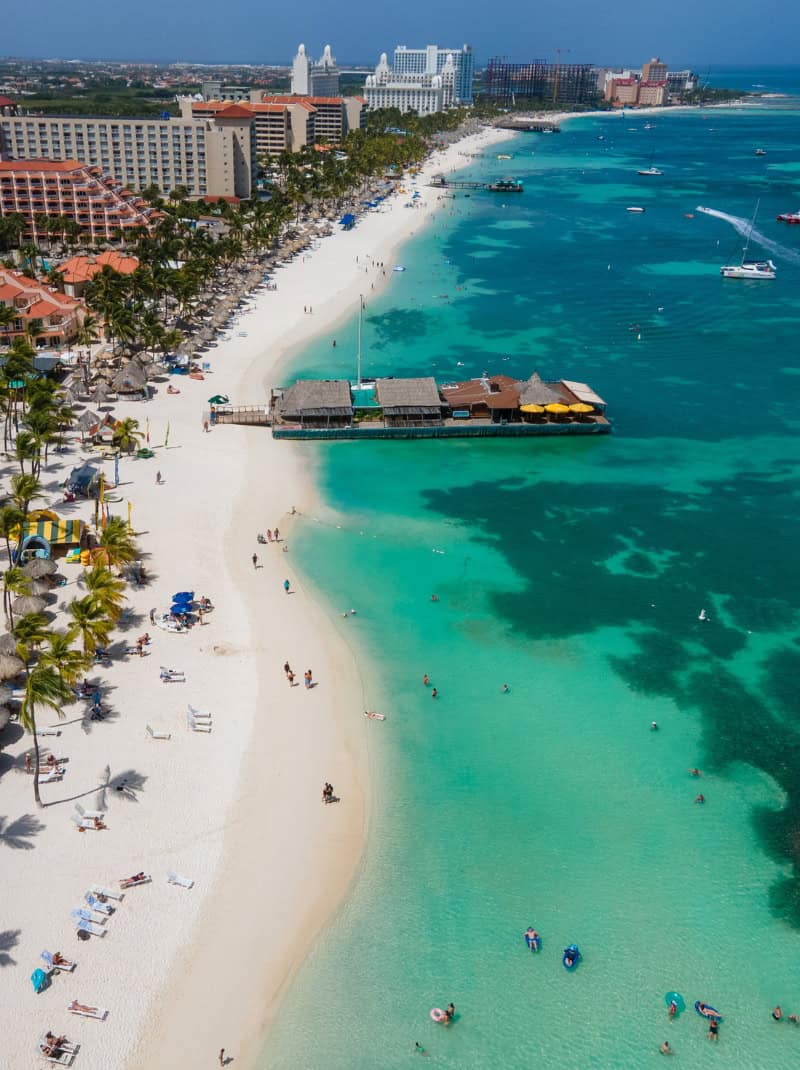
When you walk through San Nicolas or book a tour to Arikok National Park, you will hear Papiamento sound everywhere. Phrases such as “Aruba Dushi Tera” literally mean “Aruba sweet land” and show the warm bond between residents and their island. On Eagle Beach and Palm Beach , you will notice that many Arubans switch effortlessly between Papiamento, Dutch and English, depending on who they address.
Blue Bird Tours & Travel helps you to experience this multilingual culture authentically. Our local guides will not only tell you about the history of the Caribbean, but will also introduce you to typical expressions and stories that make the Aruban Language so special. Find out why “One happy island” is more than just a slogan.

From colonial heritage to cultural pride
The roots of Papiamento as a creole language
Papiamento originated as an Afro-Portuguese Creole dialect during the seventeenth century, when the West India Company brought traders and slaves to the Caribbean islands . This Afro-Portuguese Creole language also contains influences from Cape Verdean Creole and developed into a unique means of communication. On Aruba, the language acquired its own character through intensive contact with Spanish and Dutch colonists, which resulted in numerous Spanish words that are still used today. When you book a tour through historic neighborhoods, you will discover how these Creole languages evolved from a simple trade language to a fully-fledged means of communication.
Official recognition and education
The National Ordinance on Official Languages from 2003 officially recognized Papiamento in addition to Dutch and English, which was a turning point for national identity. The Directorate of Culture and organizations such as Fundashon pa Planifikashon di Idioma have been working on standardization and educational programs since then. In secondary education , students are now taught in all three official languages, with Fundashon Lanta Papiamento developing teaching materials. This language policy also influences public communication from government institutions such as the Aruba Water and Energy Company and the Council of Ministers, which publish documents in multiple languages.
Papiamento as a symbol of resistance
During the colonial period, Papiamento functioned as a symbol of resistance against cultural domination. Even when Dutch was the dominant administrative language in the Netherlands Antilles, local communities continued to cherish their mother tongue as a form of cultural expression. The Aruban Militia and later the Marine Barracks Savaneta used Dutch for official communication, but Papiamento was spoken among themselves. Songs such as “Aruba Dushi Tera” and expressions such as “Awa pasa Harina” illustrate how language remained connected to local pride. Blue Bird Tours & Travel offers cultural tours where guides bring these stories to life.
Cultural expressions and traditions
Papiamento resonates in music, literature and daily life. Roman Catholic hymnbooks appeared in Papiamento as early as the nineteenth century, which also gave the language religious legitimacy. Writers such as Michiel van Kempen documented the rich literary tradition of the Caribbean. During the National Day on March 18, also called Trinte di May for other celebrations, you can hear traditional songs everywhere. The Fort Zoutman Historical Museum displays artifacts that illustrate the evolution of Aruban Art and Culture , including early writings in Papiamento for visitors to admire.
Hands-on language experience during your visit
Although English and Dutch are widely spoken at the RIU Palace and other resorts, knowledge of Papiamento will greatly enrich your travel experience. Local markets, restaurants outside tourist zones and tours to the Natural Bridge area offer perfect opportunities to practice basic phrases. The Aruban florin carries texts in Dutch and Papiamento, which immediately shows how both languages live together. Blue Bird Tours & Travel pairs you with local guides who not only speak the language, but also share stories about how Papiamento shapes daily life on this “One happy island”.
Frequently asked questions (FAQs)
What is the role of the Culture Department in the preservation of Papiamento?
The Directorate of Culture coordinates language policy and supports organisations such as Fundashon Lanta Papiamento in the development of educational material. This government institution works together with the Council of Ministers on initiatives that stimulate cultural expression in Papiamento. On tours of San Nicolas, you’ll discover how local art and murals reflect these efforts. Blue Bird Tours & Travel connects you with guides who explain how government agencies and communities work together to keep the Aruban Language alive.
Where can I find authentic examples of Papiamento during my stay?
The Fort Zoutman Historical Museum displays historical documents and Roman Catholic hymnbooks in Papiamento from the nineteenth century. The flag of Aruba and banknotes in Aruban florin contain texts in Dutch and Papiamento. On cultural tours to San Nicolas , you’ll see murals with phrases like “Awa pasa Harina”. Blue Bird will pair you with local guides who will bring these linguistic treasures to life and share stories about Aruban Art and Culture.
How does the Dutch influence influence daily language use?
Although Dutch remains the official language within the Kingdom of the Netherlands, Papiamento dominates daily life. The Dutch influence is reflected in administrative communication of the Aruba Water and Energy Company and legal documents. At resorts like RIU Palace , staff switch effortlessly between Dutch and English for international guests. Michiel van Kempen documented how both languages function side by side. Blue Bird’s guides show during tours how this multilingualism shapes public communication .
What role did language play during the colonial period?
During the West India Company period, Papiamento functioned as a means of communication between different population groups on the Caribbean islands. The language became a symbol of resistance to cultural dominance, even when the Aruban Militia used Dutch for official business. At the Marine Barracks Savaneta people spoke Papiamento among themselves. Blue Bird’s historical tours connect these stories with visits to colonial buildings where you understand the evolution of Creole languages .
How is Papiamento celebrated during national holidays?
During the National Day on March 18, traditional songs such as “Aruba Dushi Tera” can be heard all over the island. Trinte di mei marks other cultural celebrations where Papiamento is central to speeches and performances. The Fundashon pa Planifikashon di Idioma organizes linguistic events that strengthen national identity . Blue Bird plans tours around this holiday season so that you can experience authentic cultural expressions. Local guides share stories about how these traditions connect generations to their Aruban Language.
What influences make Papiamento unique within Creole languages?
Papiamento combines elements of Cape Verdean Creole with Spanish words and Dutch grammar, which distinguishes it from other Creole languages in the Caribbean. The Afro-Portuguese Creole language base received local adaptations through trade contacts and plantation economies. Remnants of Arowak languages appear in place names around Arikok National Park. During excursions, Blue Bird’s cultural experts explain how these linguistic layers merged into the modern Aruban Language that characterizes “One happy island”.
How does multilingualism work in education?
Secondary education offers lessons in Dutch, Papiamento and English, with Fundashon Lanta Papiamento developing teaching materials. The National Ordinance on Official Languages obliges schools to integrate all three languages into curricula. Students often learn school subjects in Dutch, while Papiamento is used for cultural subjects. This approach prepares young people for international careers without losing their national identity. Blue Bird works with educational institutions for educational tours that combine language development and cultural expression.
What are the best practices for communication in Aruba?
Although most Arubans speak English at tourist locations like Eagle Beach and Palm Beach, you’ll appreciate hospitality by learning basic phrases Papiamento. Phrases such as “Bon dia” and “Danki” open doors at local markets. The Aruban florin shows both official languages on banknotes. Blue Bird’s guides share practical glossaries and cultural context during tours. On excursions to the Natural Bridge area or San Nicolas , you will experience how language knowledge enriches authentic encounters.
Your journey, just the way you want it
Whether you dream of a private snorkeling tour, a surprise trip for a special occasion or just want to be completely unburdened, we will arrange it!
Together, we’ll put together a unique experience that perfectly suits your needs. Personalized, flexible and organized to perfection.